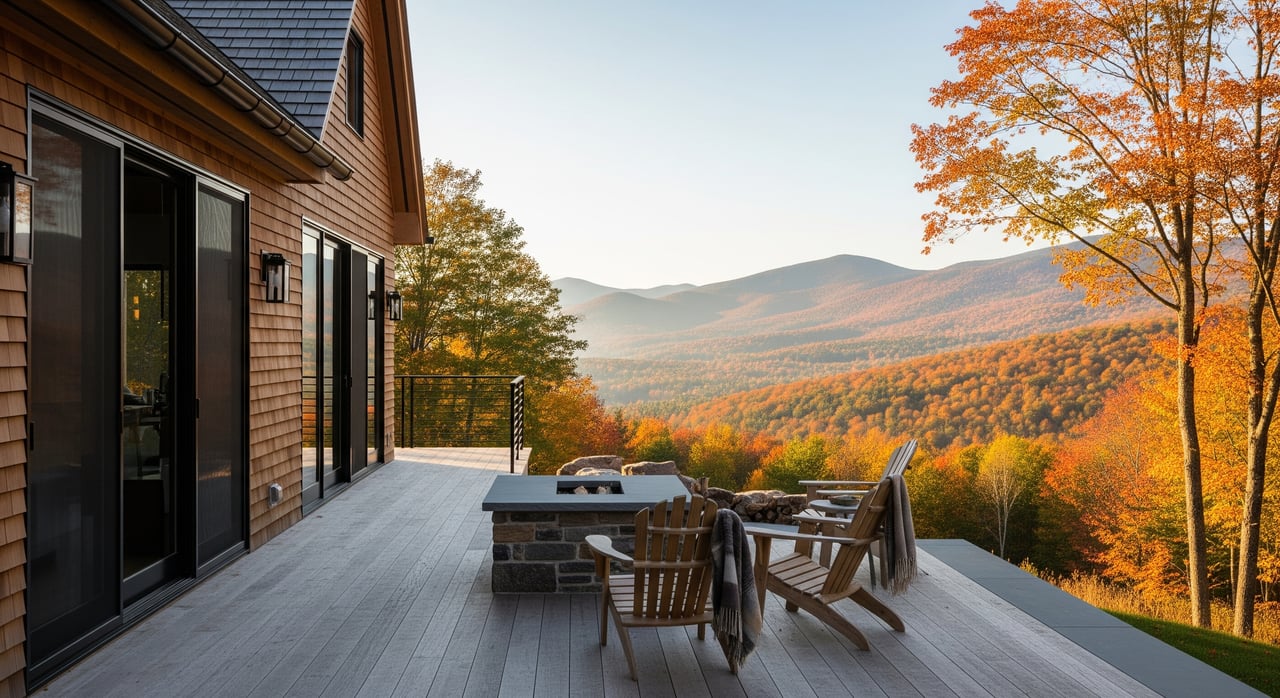
Second-Home Trends in Woodstock and the Upper Valley
Thinking about a second home in Woodstock or the Upper Valley but not sure where to start? You’re not alone. Many Boston and New York buyers want a quick, scenic escape with real four-season living, yet each town offers a different mix of value, access, and lifestyle. In this guide, you’ll learn how drive times, village amenities, Dartmouth access, and outdoor seasons shape prices and demand so you can focus your search with confidence. Let’s dive in.
The Upper Valley and Woodstock area have long been popular for weekend and seasonal homes. Interest surged during the pandemic as remote workers and city dwellers looked for nearby retreats. Activity cooled from the peak as mortgage rates rose, yet out-of-state demand still sets the tone in the most desirable spots.
Buyers today tend to fall into a few groups. You’ll see weekenders from Boston and NYC, remote or hybrid workers who need strong broadband, retirees downsizing into a lower-maintenance place, and a smaller share of investors who plan for seasonal rental use. Inventory is tight near walkable village centers and turnkey properties. Rural homes and those that need updates often spend more time on the market.
If you plan to head up Friday and return Sunday, drive time matters. From Boston, you can reach Woodstock and nearby Upper Valley towns in about 2.5 to 3.5 hours. From New York City, plan on 4.5 to 6-plus hours, depending on traffic and exact destination.
When weekends are short, convenience rises in value. Hanover, Lebanon, Norwich, Hartford, and Woodstock balance interstate access with charming village centers and year-round amenities. For some buyers, shaving 30 to 45 minutes off the trip can be the difference between a home that gets regular use and one that sits empty.
Lifestyle anchors help this market stand out. Dartmouth College drives cultural programming, performances, and steady visitors. Dartmouth-Hitchcock Medical Center provides world-class healthcare and a year-round professional community. Together, they support strong demand in adjacent towns and help keep local businesses vibrant between peak tourism seasons.
Seasonality shapes your experience and potential rental windows. Late spring and summer bring hiking, paddling, and farm-to-table events. Early fall aligns with foliage, a peak period for showings, weekend visits, and short-term rental interest. Winter activity revolves around ski access, holiday weeks, and cozy village stays. Listings that launch before or during foliage season often command stronger attention.
Use these approximate ranges to orient your search. Exact pricing moves with inventory and condition, so plan to review recent solds in your specific micro-neighborhood.
If you want historic character and true village life, Woodstock stands out. Walkable access to shops, dining, seasonal events, and quality lodging drives a lasting premium. Select homes trade quickly when they are well presented and move-in ready.
This resort community offers condominiums, single-family homes, and fractional ownership options with HOA-managed amenities. It is a good fit if you want a turnkey, vacation-style experience and are comfortable with association fees that cover lifestyle benefits and shared services.
These Dartmouth-adjacent towns provide consistent year-round demand, strong cultural access, and a convenient base for professionals. Average prices trend higher relative to the broader region. Walkable pockets and renovated homes near village centers attract steady interest.
You will typically find more inventory and better affordability here, along with fast access to I-89, the regional airport, and area employers. For buyers balancing budget with convenience, this corridor often makes sense without giving up regional amenities.
Outlying properties can deliver more land and privacy per dollar. They also come with tradeoffs. Private roads, winter maintenance, longer drives to services, and on-site systems like wells and septic require planning and ongoing care.
Short-term rental policies vary by town and can change. Some communities require permits, set occupancy limits, or restrict certain zones. HOA communities may have separate rules that are stricter than the town’s.
If rental income is part of your plan, start with the rules. Confirm what is allowed for the specific property and neighborhood before you buy. Also consider seasonality. Demand usually spikes during Dartmouth events, foliage, summer weeks, and holiday periods. The right location can perform well during those windows, but rules and carrying costs will shape your net.
Use this quick list to focus your search and reduce surprises later.
Buyer profiles influence what sells fastest and why. Weekenders from Boston and NYC often target walkable village locations or communities with easy amenities. Remote and hybrid workers, a growing segment, prioritize broadband and flexible spaces they can use all week. Retirees and downsizers value proximity to healthcare and low-maintenance living. Investor buyers are active in smaller numbers, targeting prime locations and key seasonal windows where regulations permit.
Match your lifestyle and timeline to the right submarket using these quick heuristics.
Second-home lending can differ from primary residences, so start conversations with a lender early. Many buyers use larger down payments and maintain stronger cash reserves. In your budget, include property taxes, utilities, snow and lawn care, and seasonal maintenance. For rural properties, plan for well and septic upkeep and possible private road fees. If state residency, property taxes, or potential NH versus VT differences matter to your situation, consult a tax advisor.
Choosing the right second home in Woodstock and the Upper Valley comes down to your drive-time tolerance, the village lifestyle you want, and how you plan to use the property across the seasons. If you would like a curated list tailored to your price band, timeline, and rental plans, reach out to Jessica Dolan for local guidance and a streamlined search experience.
September 17, 2026

September 10, 2026
September 3, 2026
August 27, 2026
August 20, 2026
August 13, 2026
August 6, 2026
August 6, 2026
July 23, 2026
Dolan Real Estate has established a locally owned and operated real estate firm that surpasses the services offered by larger, franchise-based companies. Their clients can attest to the exceptional quality of their work.