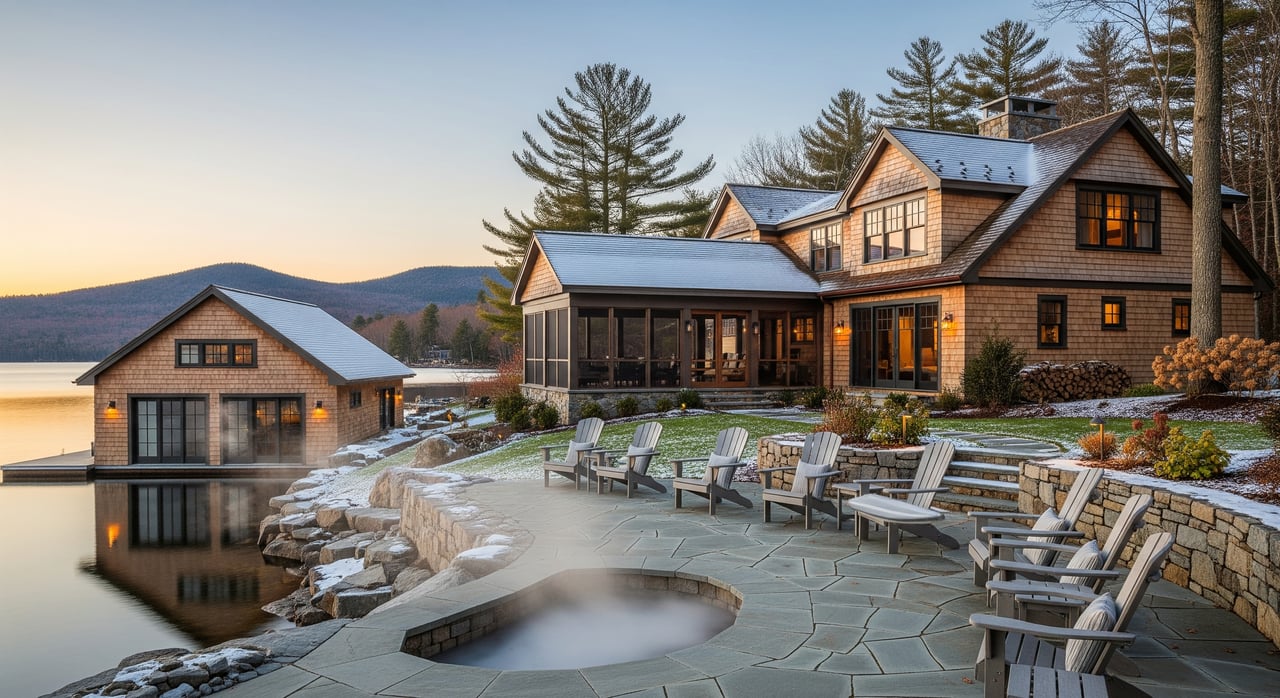
Choosing a Four-Season vs Seasonal Home in Sutton
Thinking about a place near Kezar Lake and wondering if it can truly carry you through winter or if it is better as a summer retreat? You are not alone. In North Sutton, many homes were built for warm weather, while others are designed for year-round living in a true New England winter. This guide shows you how to tell the difference, what to look for during showings, and what it takes to convert a cottage into a comfortable four-season home. Let’s dive in.
In North Sutton, the label on a listing matters less than the systems and structure behind it. Central New Hampshire is a cold climate with long winters and significant snowfall. The area aligns with Zone 6A, which affects insulation needs, heating choices, and freeze protection. You can review the regional context in the DOE climate zone guidance and the NOAA climate normals for central New Hampshire.
A true four-season home is built or upgraded so you can occupy it safely and comfortably all year. A seasonal cottage is ideal for spring through fall and is typically closed and winterized in colder months. Here is what separates them.
A four-season property around Kezar Lake usually has upgraded insulation in walls and attic, air sealing around penetrations, weatherized windows and doors, and a basement or crawlspace that is insulated or conditioned. Wall assemblies often meet code-equivalent performance for cold climates, and attics are insulated to high R-values to reduce heat loss.
Seasonal homes often have thinner walls, minimal attic insulation, and older windows. The result is higher heat loss, discomfort in cold snaps, and a greater risk of condensation and ice dams if you try to keep the home warm through winter without upgrades.
Insulation and air sealing determine comfort and fuel use. They also help protect your roof by reducing ice dams. If you are considering a conversion to year-round use, an insulation plan is often your first step.
Common solutions include oil or propane boilers and furnaces, pellet or wood stoves, and increasingly, cold climate air-source heat pumps. Many modern heat pumps can deliver efficient heat in subfreezing temperatures and also provide summer cooling. Review the DOE guidance on cold climate heat pumps to understand how these systems perform.
A year-round home typically has:
Cottages often rely on a wood stove, pellet stove, or electric baseboards for short stays. Owners usually drain the water lines and shut systems down for winter rather than run heat all season.
Outages can last longer in lake neighborhoods than in town centers. If you plan to live here year-round, consider a generator, fuel redundancy, and remote temperature monitoring for peace of mind.
Most lake properties use private wells. In a four-season home, the well line is buried below frost depth, and plumbing is insulated or located in conditioned space. You may see heat tape in vulnerable areas and a clear plan for keeping interior areas warm. For background on system care and best practices, see NHDES guidance on private wells and septic systems and UNH Cooperative Extension resources on winterizing and wells.
Seasonal owners usually drain domestic water lines each fall, shut off the well, and use RV antifreeze in traps. If a cottage is left unheated and not correctly winterized, frozen pipes and water damage are common. Always ask for the seller’s winterization routine and the locations of shutoffs.
A four-season home’s foundation is designed to handle frost, and the roof is built for local snow loads. Proper attic insulation and ventilation help reduce ice dams. These features keep the structure stable through deep freezes and spring thaws.
Older camps may have shallow footings or post-and-pier supports. They can be fine for summer but are more vulnerable to frost heave. If you plan year-round use, you may need foundation retrofits before tackling interior upgrades.
Most properties near Kezar Lake rely on on-site septic systems. Ask for the septic location plan, age, capacity, and last pump and inspection. Seek any NHDES permits or approvals. If you plan to increase usage, you may need an evaluation to ensure the system fits your plans.
More frequent use can push a small or aging system beyond its limits. Some conversions require septic replacement to meet current rules and year-round demands. Check state and local requirements early in your planning.
Year-round living requires reliable access. Many Kezar Lake roads are private, and some are not plowed. Find out if the road is public or private, who plows, the schedule and cost, and whether emergency vehicles can get through in heavy snow. Driveway grading, base material, and turnaround space also matter for winter service.
Plan for snow removal on driveways and walkways, and consider whether roof snow management will be needed after big storms. Gutters and downspouts should help move meltwater away from foundations.
Confirm electricity service and typical outage patterns. Year-round buyers often want reliable internet for remote work, so verify providers and speeds at the property. Backup power or battery systems can be a smart addition if you will live here full time.
Insurance companies treat homes used seasonally or left unoccupied differently. Freeze damage is a common claim issue when a property is unheated or vacant. Ask for an insurance quote early and understand any winterization or occupancy clauses. Flood considerations can apply to lakefront lots, so review the FEMA Flood Map Service Center for flood zones and discuss coverage with your insurer.
Lenders distinguish between primary residences, second homes, and investment properties. Some seasonal homes can be financed as second homes, though certain loan programs may have additional occupancy or documentation requirements. If conversion is part of your plan, factor upgrades into your budget and speak with your lender about financing options.
Four-season homes usually appeal to a wider buyer pool, including remote workers and retirees, which can support value over time. Seasonal cottages can be an excellent entry point near the lake at a lower price, with less ongoing winter responsibility.
Bring this list on showings and ask the listing agent or seller for details.
If you want to ski at Mt. Sunapee on Saturday and watch the sunrise over Kezar Lake on Sunday, a four-season home gives you comfort and confidence all winter. If your goal is simple lakeside time from late spring to early fall with minimal ongoing responsibility, a seasonal cottage can be a great fit. Either way, focus on insulation, heat, plumbing protection, roof and foundation strength, access, and insurance considerations. Those details will shape both your day-to-day experience and long-term costs.
Ready to compare properties or map out a smart conversion plan? Reach out to Jessica Dolan for local guidance, vetted contractor referrals, and a strategy tailored to your goals.
August 20, 2026
August 13, 2026
August 6, 2026
August 6, 2026
July 23, 2026
July 16, 2026
July 9, 2026
July 2, 2026
June 25, 2026
Dolan Real Estate has established a locally owned and operated real estate firm that surpasses the services offered by larger, franchise-based companies. Their clients can attest to the exceptional quality of their work.