Leave a Message

Thank you for your message. We will be in touch with you shortly.

Buying A Lake Sunapee Waterfront Home From Afar

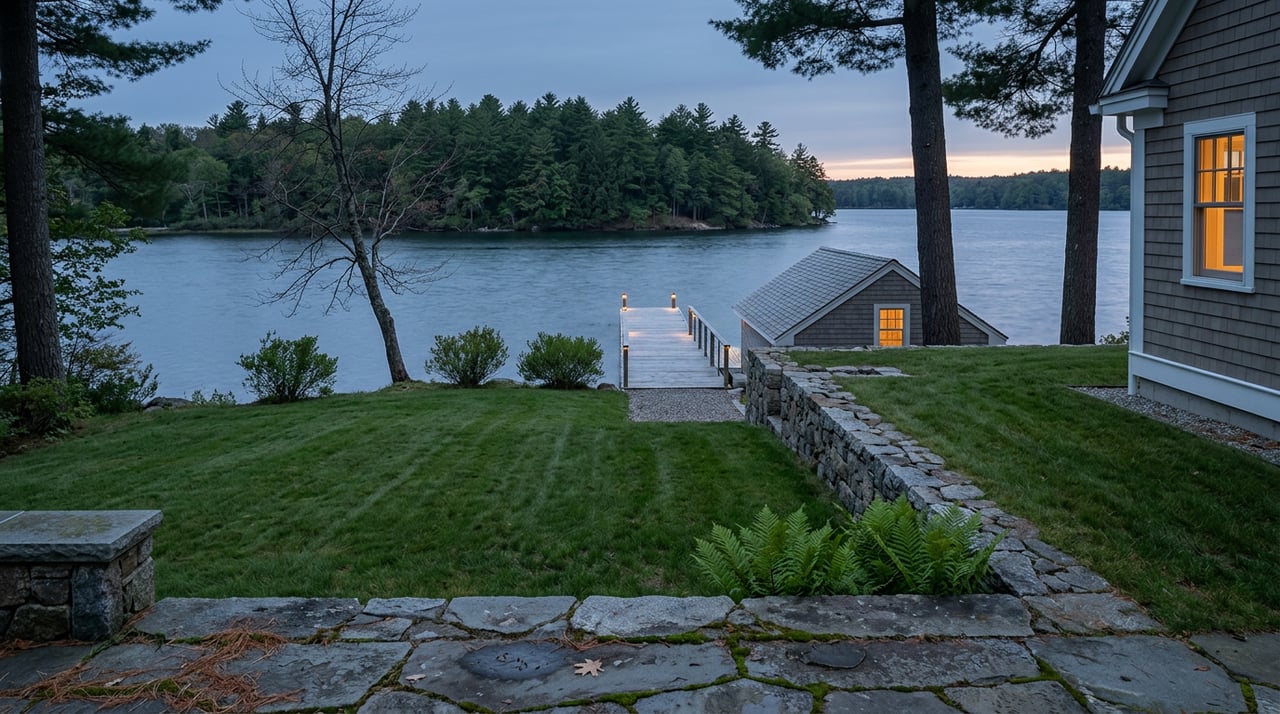
Thinking about buying a Lake Sunapee waterfront home without being here in person? You are not alone. Many Boston-area and out-of-state buyers want the lake lifestyle but need a smart, remote-first plan to get there. In this guide, you’ll learn how to compare shoreline options, understand key permits, set up virtual tours and inspections, and close with confidence from afar. Let’s dive in.

Why Lake Sunapee attracts distant buyers

Lake Sunapee offers year-round recreation, from summer boating and paddling to winter skiing at nearby Mount Sunapee. The I-89 corridor makes it an easy weekend drive from Greater Boston, which draws second-home buyers and those planning a future full-time move. You’ll find a mix of seasonal cottages, renovated year-round homes, and modern waterfront builds that fit different lifestyles.

Who typically buys from afar

  • Boston-area weekenders: You likely prioritize a 2–3 hour drive, low-maintenance living, and quick access to the village and marinas.
  • Second-home owners with rental goals: You may consider a property that can be rented seasonally, subject to local rules or association policies.
  • Relocating families: You’ll focus on year-round road access, utilities, winter maintenance, and everyday convenience.

Inventory can be thin and seasonal, and many homes trade through local networks before they hit the open market. Working closely with a connected local agent helps you hear about opportunities early.

Regulations to know before you shop

Waterfront property comes with added layers of oversight to protect water quality, shoreline stability, and safe use. Learning the basics now saves time later.

Shoreland and wetlands rules

New Hampshire’s Shoreland Program sets standards for building setbacks, tree and vegetation management, impervious surface limits, and wastewater requirements near the water. Certain projects in or near the lake, such as shoreline alterations or retaining walls, can trigger wetlands permits. Because outcomes are site-specific, plan to speak with the Town of Sunapee’s planning and zoning staff and consult state programs early in your process.

Docks, moorings, and waterfront structures

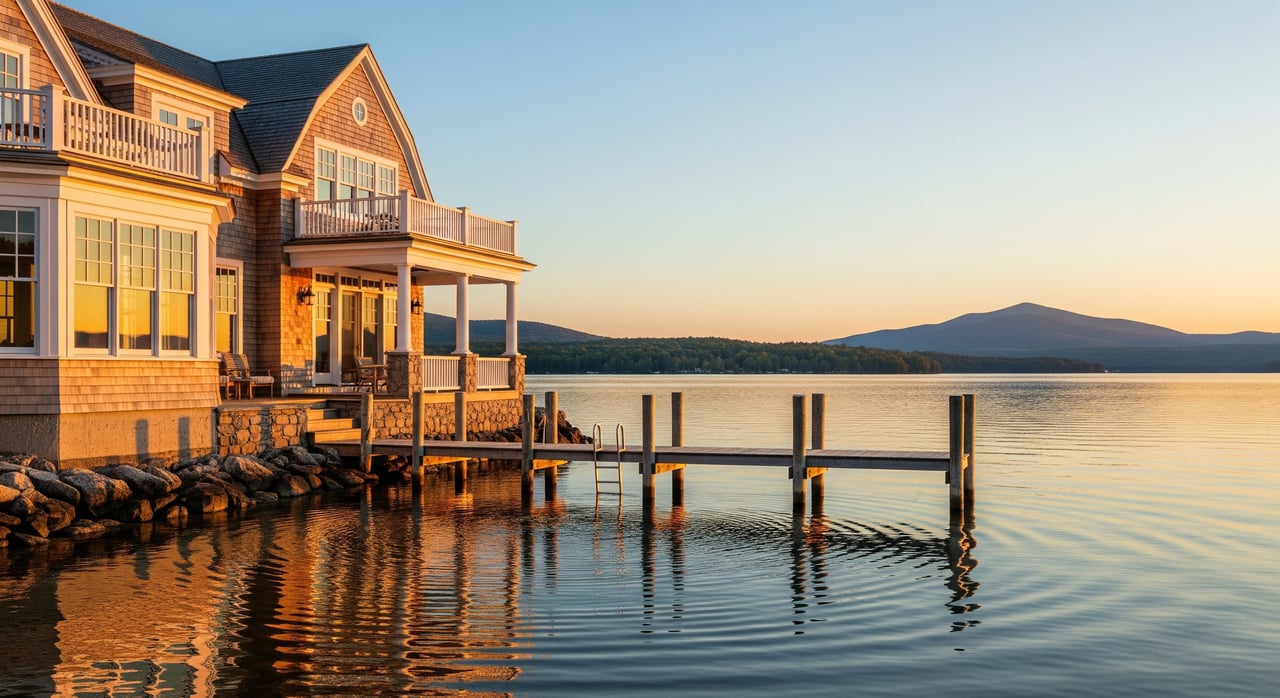
Docks and moorings are regulated and may require different permits. Moorings can involve town or state oversight and may have waiting lists, while covered boathouses are subject to stricter rules than open docks. Always verify whether an existing dock or mooring is permitted, whether it can transfer with the property, and what steps are required for any changes you hope to make. Build extra time into your plan for conservation and permitting reviews.

Septic systems and wastewater

Many waterfront homes rely on septic systems. Older systems may not meet current standards, and expansions or renovations can require upgrades. Budget for a thorough septic inspection and pump-out, confirm system capacity for your intended use, and understand setback constraints that can affect repairs or replacements near the shore.

Vegetation, erosion, and invasive species

Shoreline vegetation is often protected to maintain water quality, and erosion control work typically requires review. Ask about recommended best practices for plantings and stormwater management. Lake Sunapee has active aquatic invasive species prevention protocols, which may include inspection and cleaning procedures for boats and docks during the season.

Riparian rights and shared access

Owning waterfront land does not guarantee exclusive water use or rights to place a new permanent dock. Some properties rely on shared shorelines or association beaches. Review easements, covenants, and any conservation restrictions with a local attorney so you understand the rights that come with the property.

Insurance and winter conditions

Although much of the shoreline is not in FEMA flood zones, it is wise to request a flood determination and compare coverage options. Ask your insurer about coverage for winter conditions, including ice-related damage to docks and waterfront structures, and review any exclusions.

Compare lake sections like a local

Not all shoreline feels the same. A few practical criteria help you evaluate options even from your living room.

  • Exposure and fetch: South and west exposures can see more wind and wave energy. This affects swimming comfort and dock design.
  • Water depth: Water depth at both high and low water influences your docking options and boat type.
  • Shoreline type: Sand or pebble entries feel different from ledge or rocky shores. Consider your preferences for swimming and launching kayaks or paddleboards.
  • Privacy and traffic: Protected coves may offer quieter settings and less wake, while main-basin locations tend to see more activity.
  • Access to amenities: Proximity to Sunapee Harbor, marinas, groceries, and restaurants matters for weekend convenience.
  • Seasonal rhythms: Expect busier summer weekends on the water. If quiet mornings are a priority, share that with your agent so they can target suitable sections.

Property types and price factors

You’ll see three broad categories around Lake Sunapee:

  • Historic cottages and camp-style homes: Classic New England character, smaller footprints, and sometimes older systems.
  • Renovated year-round homes: Updated mechanicals, insulation, and heating for four-season living.
  • Modern waterfront builds: Higher-spec construction, engineered stormwater solutions, and modern dock systems.

Waterfront premiums vary widely based on frontage length, dock or mooring status, lot size, exposure, and condition. Because pricing changes quickly, review the most recent waterfront sales and active listings with your agent rather than relying on general ranges.

How to tour remotely with confidence

Remote touring works best with a plan and the right visuals.

  • Live video tours: Ask for FaceTime, Zoom, or Google Meet walkthroughs. Request close-ups of mechanicals, the shoreline, the dock, and the approach road.
  • Drone footage: Aerials help you evaluate topography, neighboring structures, tree cover, and exposure.
  • 3D tours and floor plans: When available, these help you judge layout and flow.
  • Time-stamped visuals: Request photos or short clips of the shoreline and dock at current water levels so you can evaluate water depth and condition.

Share a clear checklist with your agent so nothing is missed during the live tour. If a property remains a top contender, plan a quick in-person visit before or during the inspection window whenever possible.

Waterfront inspections and due diligence

Waterfront homes deserve a deeper inspection bench. Build these into your offer timeline.

  • General home inspection: Hire an inspector experienced with lakeside moisture concerns, insulation, and foundations.
  • Septic evaluation: Schedule a certified inspection and pump-out. Request records and verify capacity for your plans.
  • Shoreline survey: A licensed land surveyor can confirm waterfront boundaries and note any encroachments.
  • Dock and marine inspection: A marine contractor or dock builder should evaluate pilings, anchors, floats, and fasteners, with attention to potential ice damage.
  • Water quality and access: Consider water sampling if you have concerns, and confirm practical boat draft at the dock location.
  • Title and easements: A local attorney or title company should verify rights of way, shoreline rights, covenants, and any conservation restrictions.
  • Environmental history: If applicable, investigate past shoreline hardening or fuel storage and order targeted testing as needed.

Financing, taxes, and closing from a distance

Many second-home buyers use conventional financing, though underwriting may consider occupancy and rental plans. Waterfront appraisal can be challenging when comparable sales are scarce, so appraisal contingencies and recent comps matter. Remote notarization, secure document portals, and wire transfers are common, and local title firms regularly coordinate out-of-state closings.

New Hampshire has no state income or sales tax. Property taxes are a key line item, so request the most recent tax bill for any property you consider. Your agent can also help you estimate utilities and seasonal maintenance costs.

Manage your Sunapee home from afar

A small trusted team keeps things simple. Many out-of-area owners hire caretakers or property managers to open and close the house, schedule winterization, and coordinate dock installation and removal. Line up reliable marine contractors, septic professionals, and landscapers early. Set a cadence for photo updates, seasonal checklists, and routine walkthroughs so you always know what is happening at the property.

Step-by-step remote buyer checklist

  • Hire a local buyer’s agent with Lake Sunapee experience and strong off-market reach.
  • Confirm shoreline rights and order a recent survey if one is not available.
  • Verify dock and mooring permits, transferability, and any waiting lists.
  • Schedule a general home inspection, plus separate septic and dock inspections.
  • Check local shoreland rules, zoning, and conservation requirements for planned changes.
  • Request a title search and review easements, covenants, and taxes with a local attorney.
  • Ask for time-stamped shoreline photos or video and drone imagery.
  • Plan a fast in-person visit, if possible, during the inspection period.
  • Set up your maintenance and management plan for winterization, dock handling, and routine care.

Local contacts to call early

  • Town of Sunapee planning, zoning, and building offices for permits, records, and tax information.
  • Sunapee Conservation Commission for shoreline guidance and hearing timelines.
  • New Hampshire Shoreland Program and Wetlands Bureau for state standards and permits.
  • Lake Sunapee Protective Association for water quality, ice-out records, and invasive species prevention.
  • Town harbormaster or Marine Patrol for mooring rules, launch regulations, and safety.
  • Local marinas and boatyards for docking, storage, and seasonal services.
  • Licensed septic contractors, home inspectors experienced with waterfront homes, marine contractors, and surveyors.

How Dolan Real Estate helps remote buyers

You get a boutique, high-touch experience paired with on-the-ground access. Our team coordinates live and drone tours, organizes specialized inspections, and taps local networks to surface both MLS and private opportunities. We connect you with trusted attorneys, surveyors, marine pros, and caretakers so you can move from offer to closing with clarity. With in-house photo and video capabilities, we deliver the visuals you need to make confident decisions from a distance.

Ready to explore Lake Sunapee from wherever you are? Reach out to Jessica Dolan to walk through your goals, compare shoreline options, and map your next steps. Request a personalized consultation.
FAQs

What should I know about Lake Sunapee dock permits before buying?

  • Permits and reviews vary by site, and mooring rules differ from dock rules, so verify existing permits, transferability, and the timeline for any changes with town and state offices.

How do septic systems impact a Lake Sunapee purchase?

  • Many homes use septic; plan for a certified inspection and pump-out, confirm capacity for your intended use, and understand that upgrades may be required for expansions.

Can I rent a Lake Sunapee waterfront home short-term?

  • Rules vary by town and association, so confirm local regulations and insurance requirements before counting on rental income.

How does exposure and fetch affect my waterfront experience?

  • Wind and wave energy vary by orientation; south and west exposures can see stronger waves, which influences swimming comfort and dock design.

Do I need flood insurance for a Lake Sunapee home?

  • Much shoreline is not in FEMA flood zones, but you should still request a flood determination and compare coverage options, including winter and ice-related risks.

What is the typical boating season on Lake Sunapee?

  • Boating typically runs from spring ice-out through early fall, with exact dates varying by year; local groups track ice-out and seasonal trends.

How can I close on a Lake Sunapee home from out of state?

  • Remote notarization, secure document portals, and wire transfers are common, and local title teams routinely coordinate out-of-state closings.

How do I find off-market Lake Sunapee opportunities?

  • Local agent networks are essential; many waterfront deals originate through relationships, buyer lists, and private outreach beyond the MLS.

Work With Us

Dolan Real Estate has established a locally owned and operated real estate firm that surpasses the services offered by larger, franchise-based companies. Their clients can attest to the exceptional quality of their work.