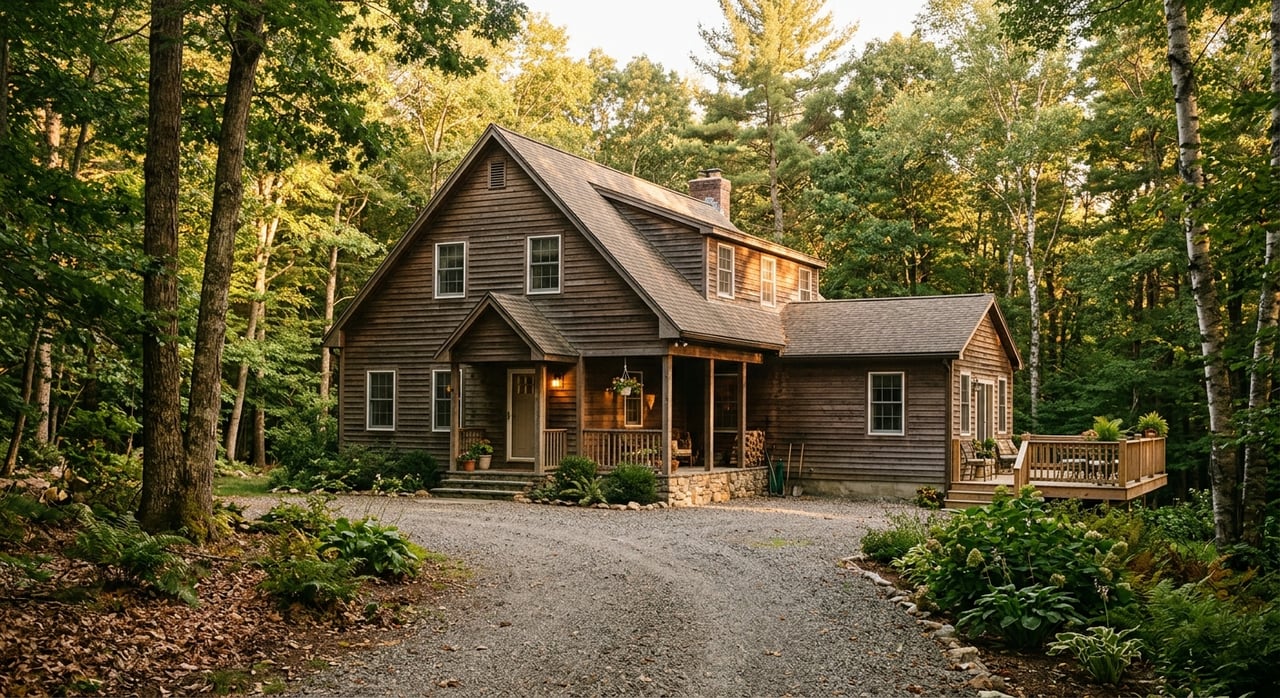
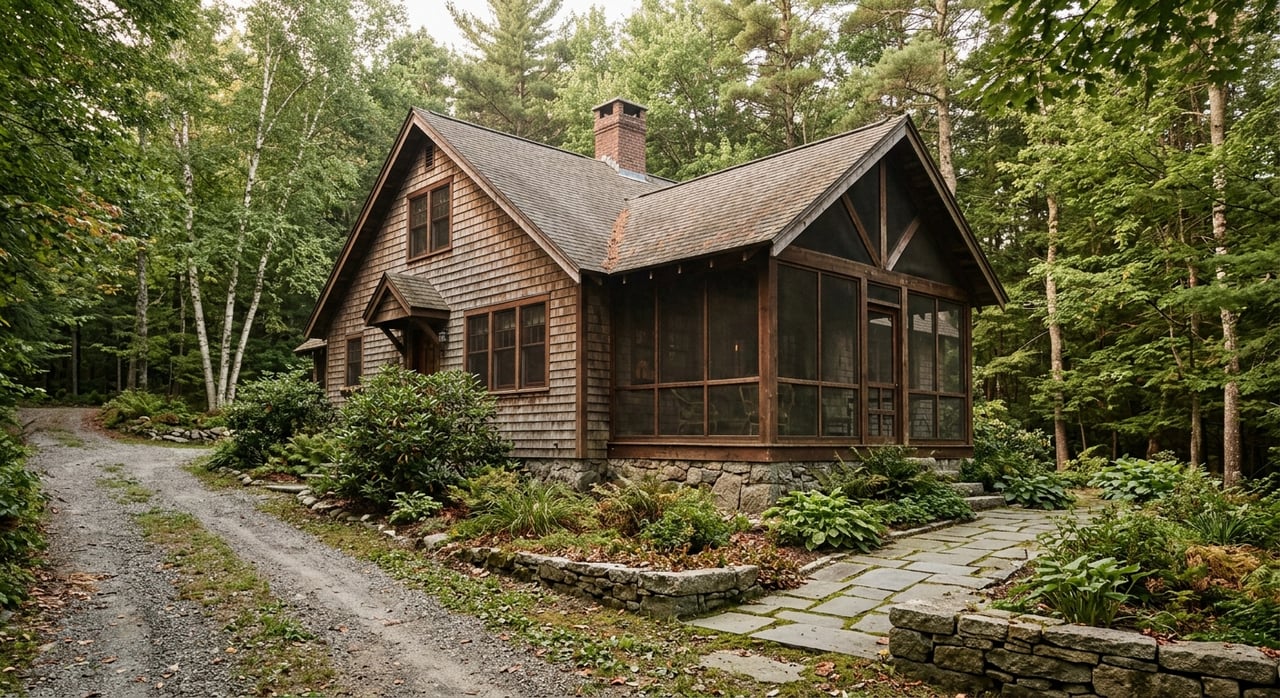
Thinking about selling your Lake Sunapee waterfront home and wondering how to stand out with the right buyers? You are not alone. Waterfront sales in Sunapee are unique because buyers expect precise details, premium visuals, and clear proof that the shoreline, septic, and dock are in good order. In this guide, you will learn exactly how to prepare, present, and promote your lake property so you attract serious offers with fewer surprises. Let’s dive in.
Know the rules that shape your sale
Selling on Lake Sunapee means dealing with specific shoreland and transfer requirements. Getting ahead of them protects your timeline and your price.
Shoreland zone basics
New Hampshire’s Shoreland Water Quality Protection Act creates a protected shoreland that extends 250 feet from the reference line on qualifying waters. Within that zone, vegetation removal, impervious surfaces, docks, and most shoreline work are regulated and often require permitting. Before you modify any shoreline element, confirm what applies to your parcel and review the statute for context in the Shoreland Water Quality Protection Act.
The new septic transfer rule
Effective September 1, 2024, if any part of a property’s individual sewage disposal system lies within the protected shoreland, the buyer must obtain a licensed septic-system evaluation at transfer. If the evaluator or designer finds signs of failure, the buyer must replace the system within 180 days, with limited extensions possible. As a seller, you can reduce friction by arranging a pre-list evaluation and sharing maintenance records. Read the state summary in the NHDES fact sheet on waterfront transfers and septic evaluations.
Docks, moorings, and seawalls
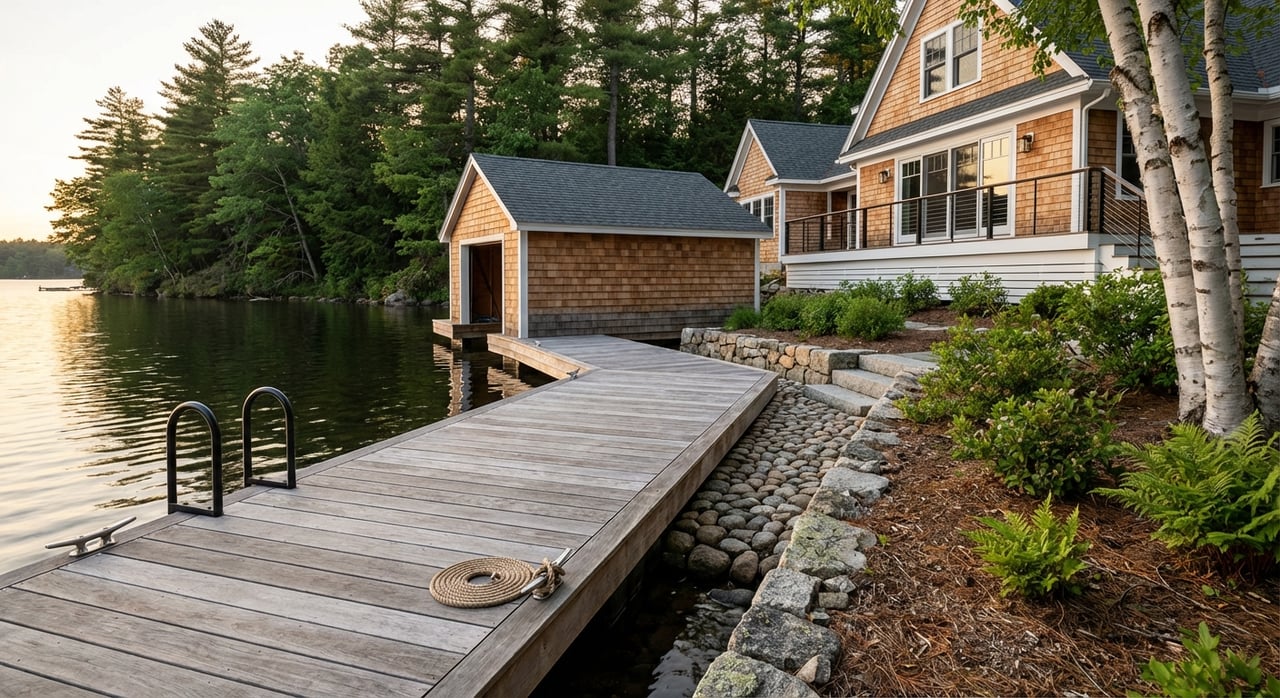
Water-dependent structures on non-tidal lakes, including docks and some shoreline work, are governed by state administrative rules. Document the legality of your dock, note the year of construction, and retain any approvals or registrations. If you have a mooring, confirm whether it is owned, assigned, or governed by a town or association policy. For design criteria and registration pathways, see the state’s docking and wetlands rules (Env‑Wt).
Prep your property for market
A clean paper trail and a thoughtful shoreline presentation help buyers feel confident and shorten negotiations.
Prioritize inspections and documents
Gather the items buyers most often request and consider addressing key inspections upfront:
- Septic: If your system is within the 250-foot protected shoreland, arrange a pre-list evaluation and keep pump receipts and approvals handy. The buyer will still need an evaluation at transfer under the new rule, but your recent report can prevent surprises. Review the NHDES fact sheet for details.
- Dock and shoreline: Confirm DES approvals or registration documents for your dock. Inspect hardware, decking, and fastenings, and obtain repair quotes if needed. State guidance is available in the Env‑Wt docking rules.
- Home systems: A pre-list home inspection lets you correct issues before they disrupt your deal, especially roof, foundation, electrical, and heating.
- Listing packet: Deed and survey with measured shoreline frontage, septic approvals and evaluations, dock permits or registrations, mooring assignment letters or association rules, water-quality reports, and maintenance invoices.
Lead with shoreline stewardship
Today’s lake buyers care about water quality and invasive-species prevention. If you participate in Lake Sunapee stewardship programs or keep boats and gear Clean, Drain, and Dry, say so in your listing and show it in your photos. You can reference the local Lake Host invasive-species prevention program for buyers who ask about protocols.
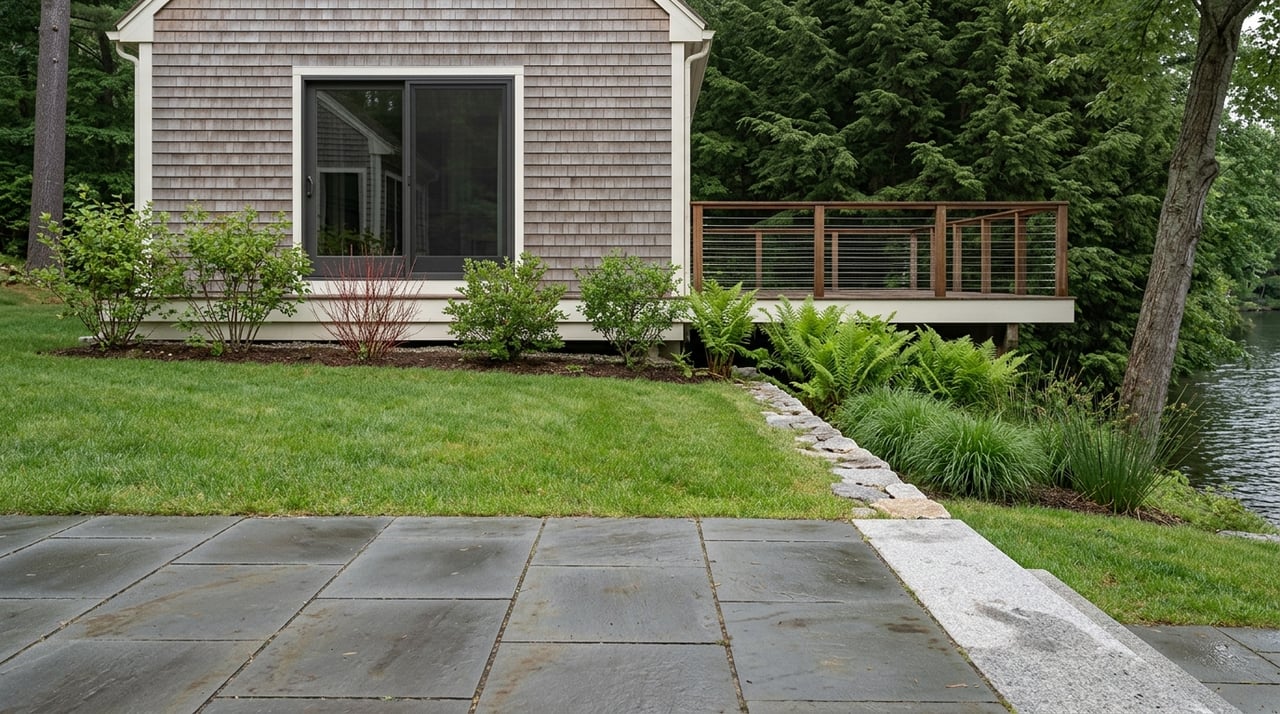
For landscaping, natural buffers are often preferred over hardscaping. Consider native plantings and stabilization where needed. You can share neutral guidance from UNH Extension on shoreland vegetation and management.
Stage for the season you will sell
- Summer: Tidy dock lines, clean deck surfaces, and set up simple seating to frame the view. Photograph during golden hour for the best water color.
- Fall: Lean into foliage and long-range views once leaves thin. Keep gutters clear and interiors warm and inviting.
- Winter: Show year-round readiness with clear driveways, visible heating systems, and safe roof snow management. If your home functions beautifully in winter, highlight it.
Present waterfront features the way buyers search
Most buyers start online and rely on visuals to decide which homes to tour. Lake buyers are even more detail-focused.
Use the visuals buyers value most
National research shows buyers rank photos, detailed listing information, floor plans, and virtual tours among the most useful website features. Make these elements non-negotiable in your marketing plan. See the latest NAR Profile of Home Buyers and Sellers for what matters most.
- Large, high-resolution interior and exterior photography
- Floor plans that show flow, room sizes, and lake-facing spaces
- A short lifestyle video or narrated 3D tour
- Clear callouts for special features like beach area, boathouse, and sunrise or sunset views
Elevate with aerial and boat-perspective media
Serious waterfront buyers want to see orientation, approach, and the littoral zone. Consider adding:
- Drone aerials that show parcel footprint, dock configuration, neighboring density, and north-south orientation.
- A short drone video that sets context in 15 to 60 seconds.
- Calm-water boat photos or video showing the dock, swim area, and approach depth.
If you use a drone for commercial marketing, make sure the operator holds a Remote Pilot Certificate and complies with Remote ID and operations rules. Learn more about FAA’s Part 107 remote pilot requirements. When filming by boat, follow Clean, Drain, Dry precautions to protect the lake.
Be precise about the waterfront
Spell out details buyers expect to see in a waterfront listing:
- Shoreline frontage and how it was measured
- Dock type, size, year of installation, permitting status, and condition
- Mooring or slip status and transferability, if applicable
- Water depth at the dock, approach considerations, and typical seasonal water levels
- Any association amenities or shared access, framed clearly and neutrally
Time your Lake Sunapee listing
Spring through early summer, roughly March to June, is typically the high-visibility season for lake buyers. Inventory and search activity tend to peak, and your shoreline and landscaping look their best. That said, winter listings can still reach motivated, year-round buyers and may face less competition. Coordinate photography with the season that makes your property shine, and remember that winter listings can still perform when you show clear access and cozy, functional interiors.
Where to market for the right buyers
A strong plan meets buyers where they already are and highlights the information they care about.
- MLS: Complete every waterfront-specific field, including frontage, depth, dock details, and mooring status. Attach floor plans, a property brochure, and clear shoreline documentation when possible.
- National portals and lake-lifestyle channels: Your professionally produced hero image, short video, and floor plans should anchor these profiles. Use captions to clarify dock and frontage details.
- Targeted outreach: Email campaigns to broker networks in Boston, Concord, and Manchester, plus second-home buyer lists. Short drone or boat clips perform well in social ads and help pre-qualify interest.
A step-by-step seller timeline
Use this countdown to prepare with minimal stress and fewer surprises.
Week 6 to 4 before listing
- Septic readiness: If your ISDS is within 250 feet of the reference line, arrange a pre-list evaluation and gather past approvals and pump receipts. Share the transfer requirement from the NHDES fact sheet with your agent so it appears in disclosures.
- Dock and shoreline: Confirm DES approvals or registration for existing lawful docks and inspect for needed repairs using the state Env‑Wt docking rules as your design reference.
- Home systems: Order a pre-list inspection and address high-priority fixes that could derail negotiations.
- Paperwork: Assemble deed, survey, septic and DES records, mooring or association letters, and any water-quality reports.
Week 3 to 1 before listing
- Media production: Book a waterfront-experienced photographer, a Part 107 drone operator if you plan aerials, and schedule calm-water time for boat-perspective shots. Confirm compliance with FAA commercial drone rules.
- Staging and copy: Stage the dock and outdoor living areas for the target season. Finalize a property narrative that highlights orientation, lifestyle, and precise waterfront details buyers want.
Live on market
- Listing packet: Provide septic evaluations, DES approvals, dock and mooring paperwork, survey, and water-quality information to buyers who request it. Make responses fast and factual to keep momentum.
- Showing protocol: Reinforce Clean, Drain, Dry if a boat will be used for buyer previews. Keep docks safe and tidy for private showings.
Answer buyer questions before they ask
When you publish your listing, include a clear, neutral fact sheet that addresses common waterfront questions:
- Who owns or controls the mooring, dock, or slip, and what is the transfer policy?
- What is the measured shoreline frontage and method of measurement?
- Is there a current septic evaluation, when was the tank last pumped, and are there DES approvals on file?
- Are there any past invasive-species or algae events and what mitigation occurred?
- How is winter access handled for road maintenance and plowing?
Providing these answers upfront builds trust and reduces renegotiation risk.
Partner with a Sunapee specialist
Waterfront buyers do their homework, and a great marketing plan does too. When you combine a clean regulatory story, premium visuals that show the shoreline from every angle, and targeted distribution to active lake buyers, you give your property the best chance to sell smoothly and at a strong market price. If you are ready to build a bespoke plan for your Lake Sunapee home, connect with Jessica Dolan for a personalized consultation and a concierge-level approach to presentation and outreach.
FAQs
What is the protected shoreland on Lake Sunapee?
- New Hampshire’s Shoreland Water Quality Protection Act generally regulates the first 250 feet from the reference line, including vegetation, impervious surfaces, and docks; review the statute for details.
Do I need a septic inspection before listing a Sunapee waterfront?
- The law places the transfer evaluation on the buyer if the system is within the protected shoreland, but a seller-ordered pre-list evaluation helps reduce surprises and speeds negotiation.
How should I show my dock and frontage in the listing?
- Provide exact frontage with measurement method, dock size and type, permit or registration documents, mooring status, and clear photos from land, air, and a boat.
What media do lake buyers find most useful online?
- Large, high-quality photos, detailed property information, floor plans, and virtual tours consistently rank as most useful to buyers in national research.
When is the best time to list a Lake Sunapee property?
- Spring and early summer typically offer peak visibility, but winter listings can still perform if you show year-round access and function with strong visuals and accurate documentation.